
Rainwater Harvesting
-
Clean Water.
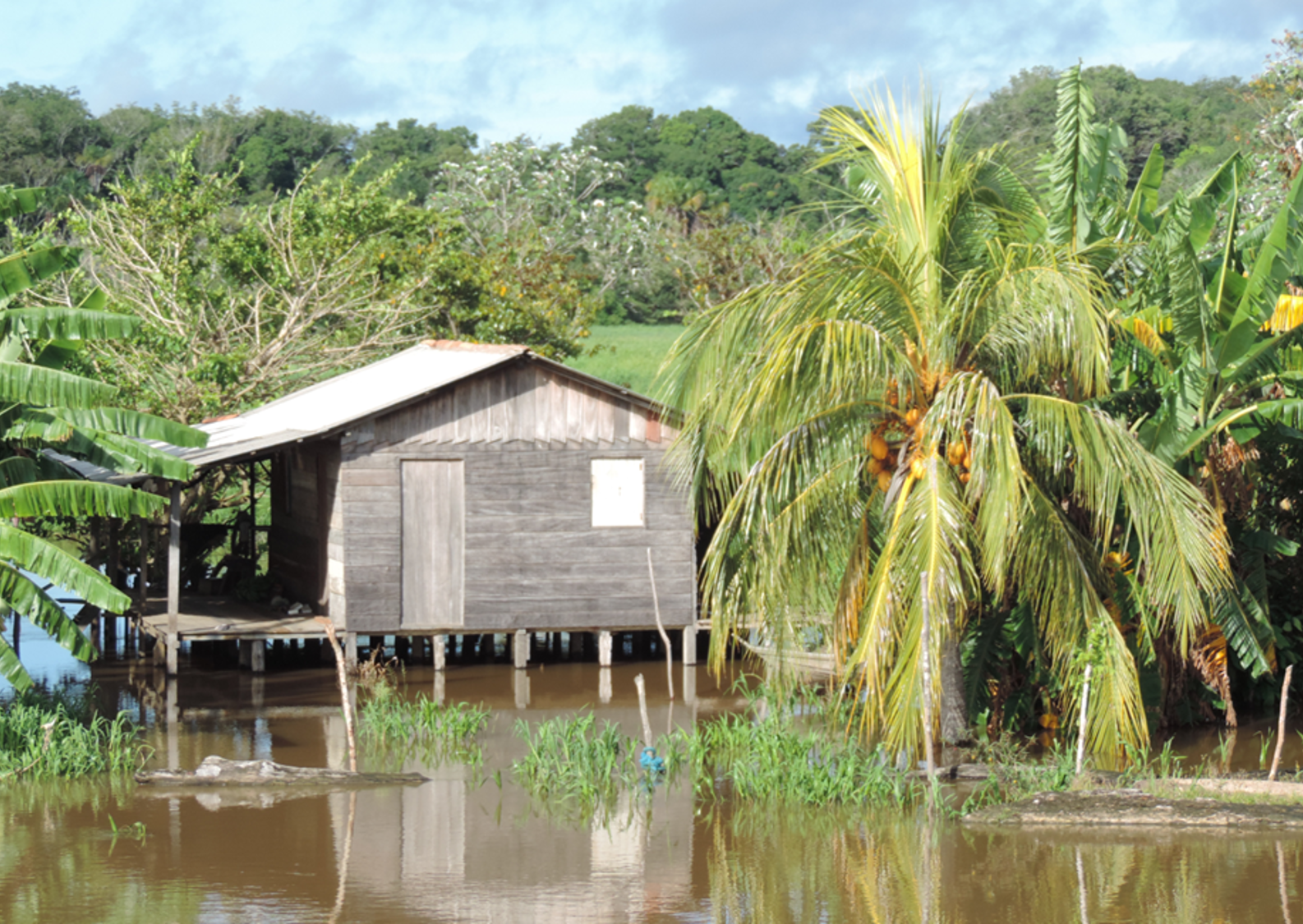
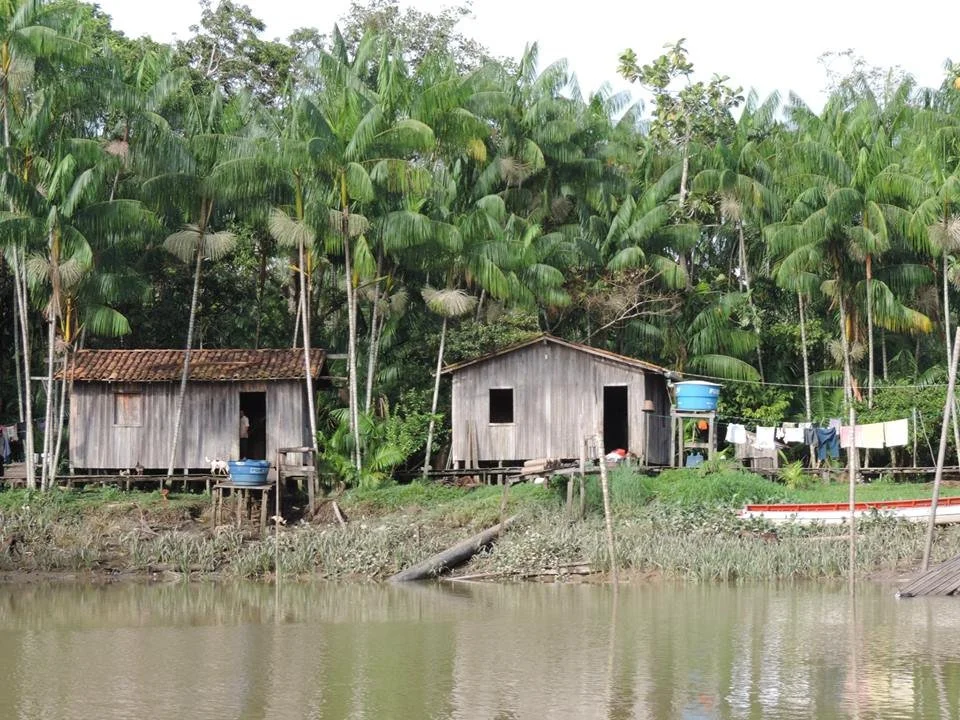
Since 2012 we have worked with traditional river communities to design rainwater harvesting systems adapted to the environmental challenges of the Brazilian Amazon. Through climatic modelling we know that rainwater can meet the water demand for over 90% of rural communities in the region.
We monitor every system for a minimum of six months post installation. That means we don’t simply believe our systems are providing clean water. We have the data to prove it.
-
For Life.
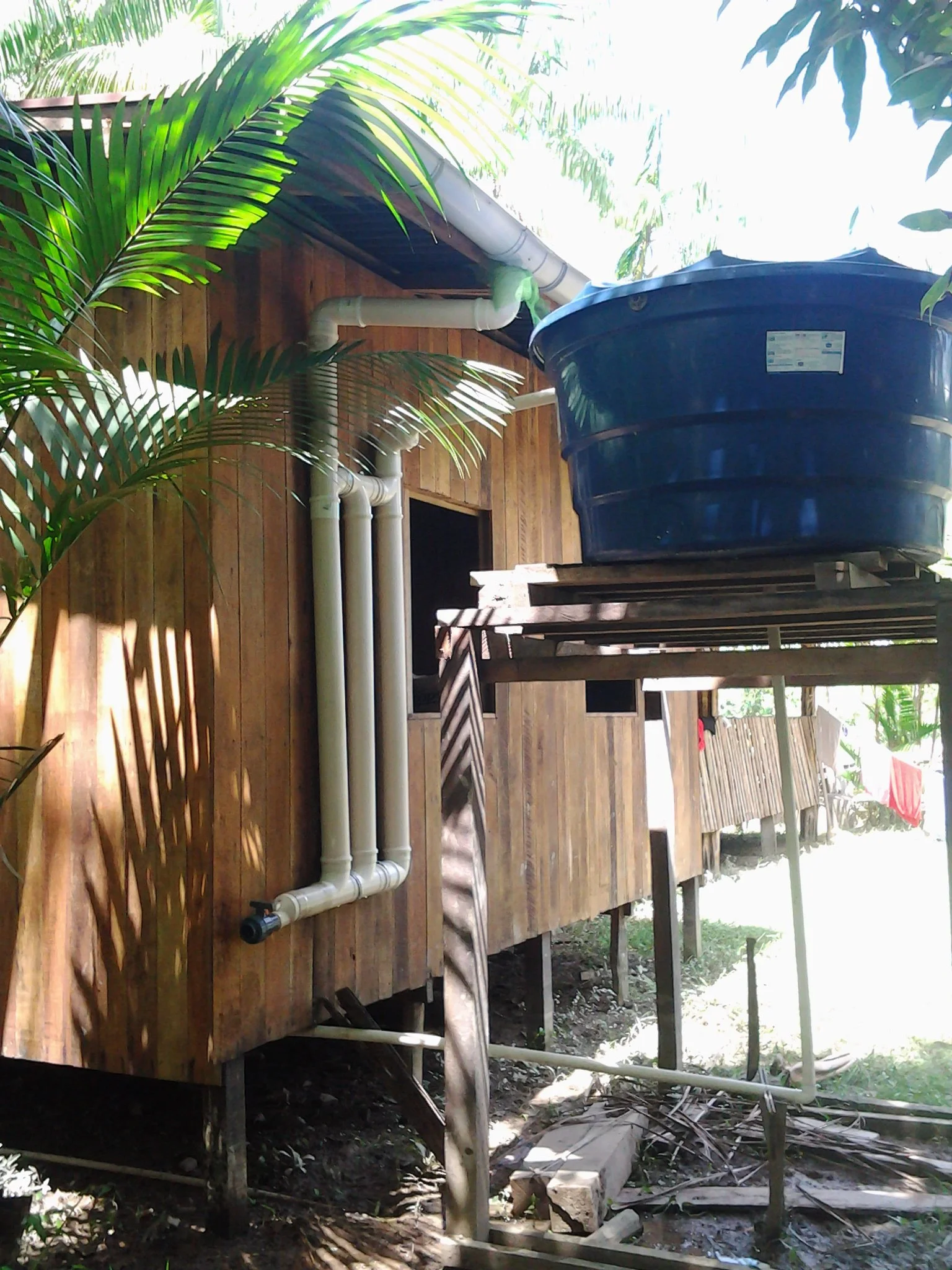
Our systems have passed through three design phases. Our latest design uses semi-automatic flushing to remove all debris and pollutants. This system provides clean water in sufficient quantities to meet demand. Ten years on, families now have so much water they give it away to their neighbours.
We know these systems transform lives. Our impact studies show that these systems directly improve health, reduce physical burdens on women, and increase pride and belonging.
Ecological Toilets
-
Dignified Sanitation.
Households along the Amazonian Rivers either have no toilets or toilets that release human waste directly onto land or water. The strong odour means toilets are located far from the house. When households don’t have a toilet, they rely on open defecation.
Current sanitation contaminates the food chain and directly increases river pollution. Open defecation or isolated toilets presents a direct risk to women and girls due to sexual violence and snake or insect bites.
-
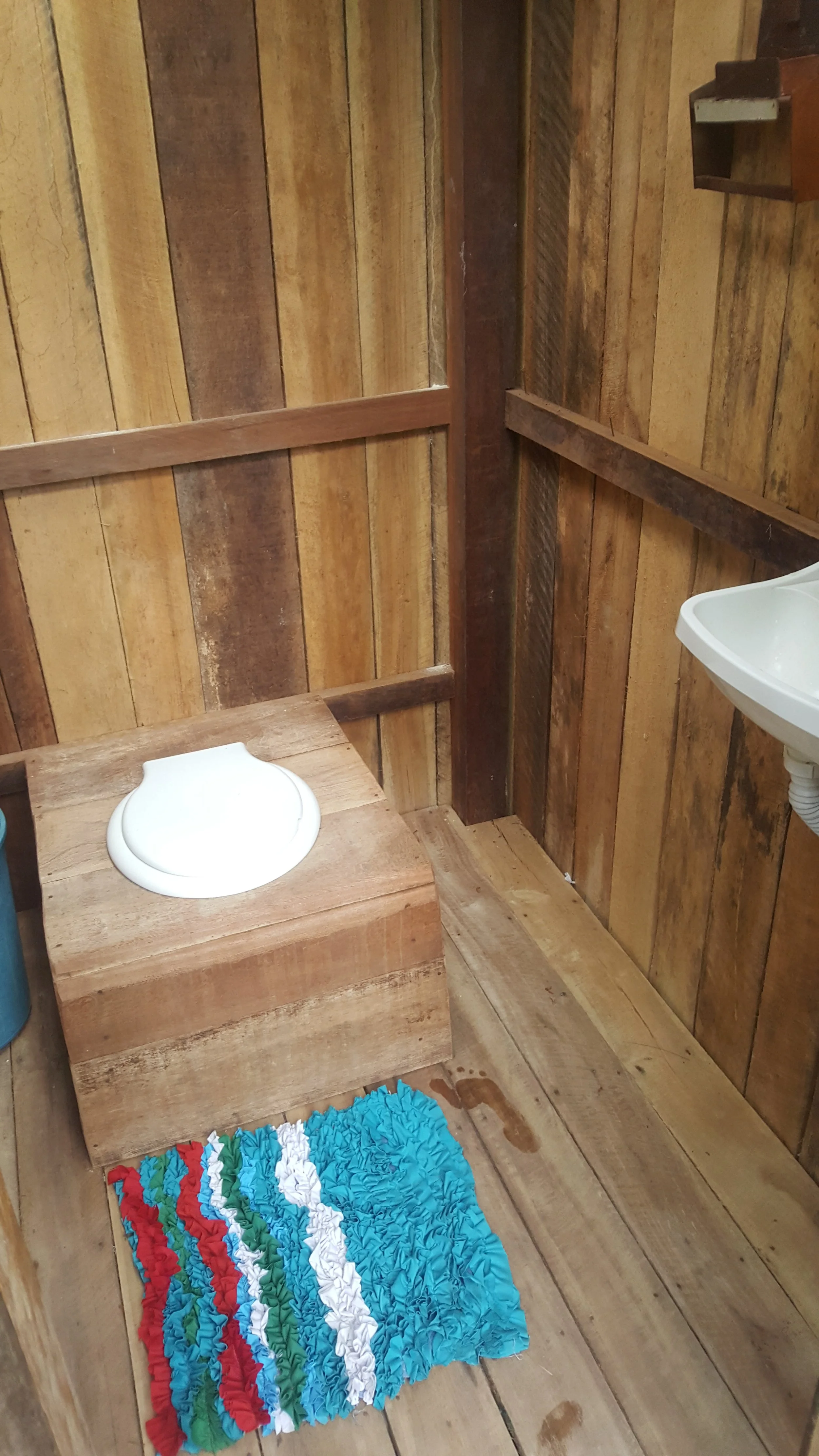
For Life.
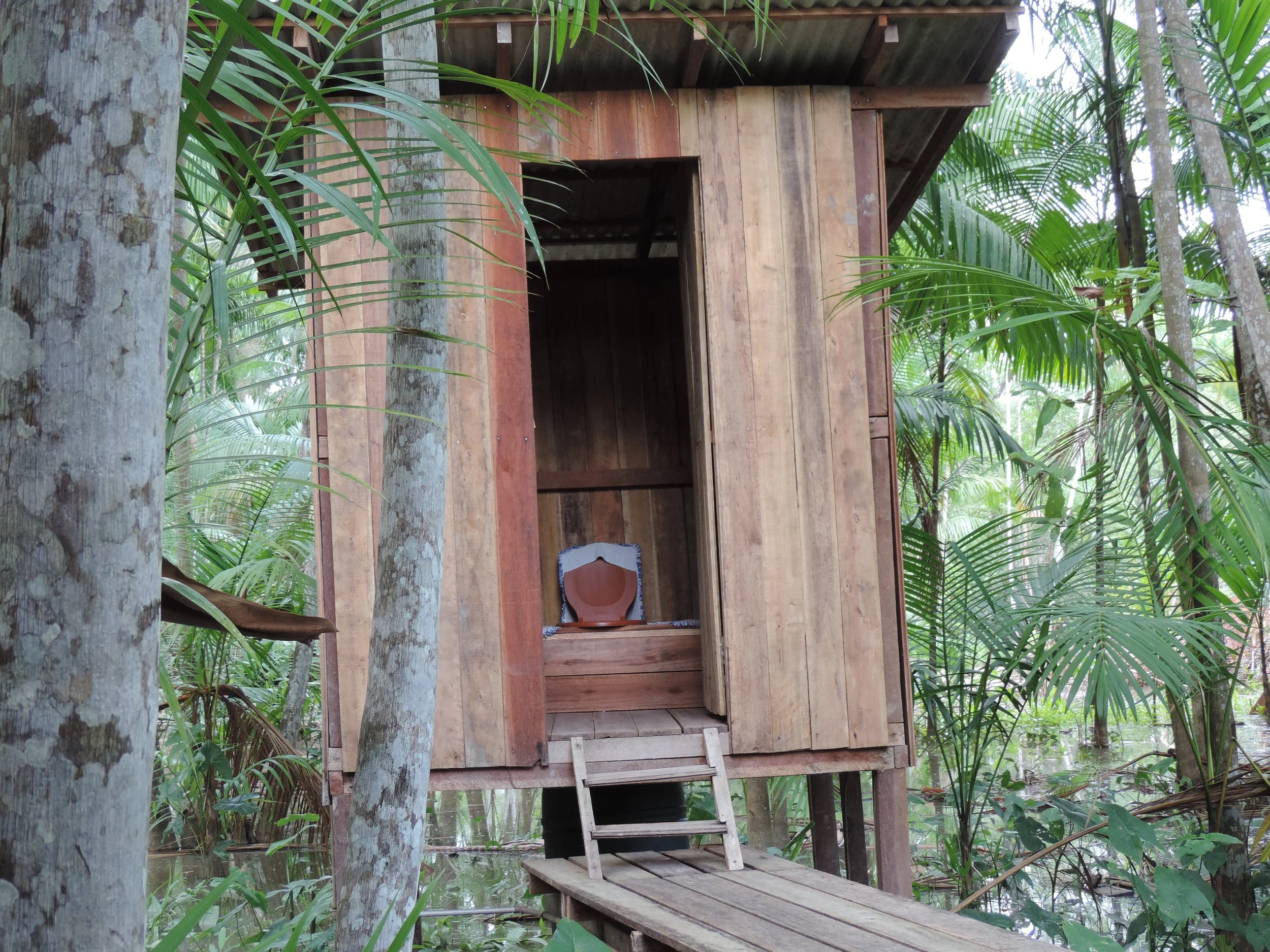
We have designed two types of ecological toilet suitable for flood-prone land. Both systems isolate human waste to prevent environmental pollution and turn pollutant into product through composting for use in agriculture and subsistence farming.
Our toilets have no smell, so they are built next to or inside houses, reducing the risks of accidents, bites and violence. They increase safety for women and girls, ensuring dignity and promoting a sense of pride.
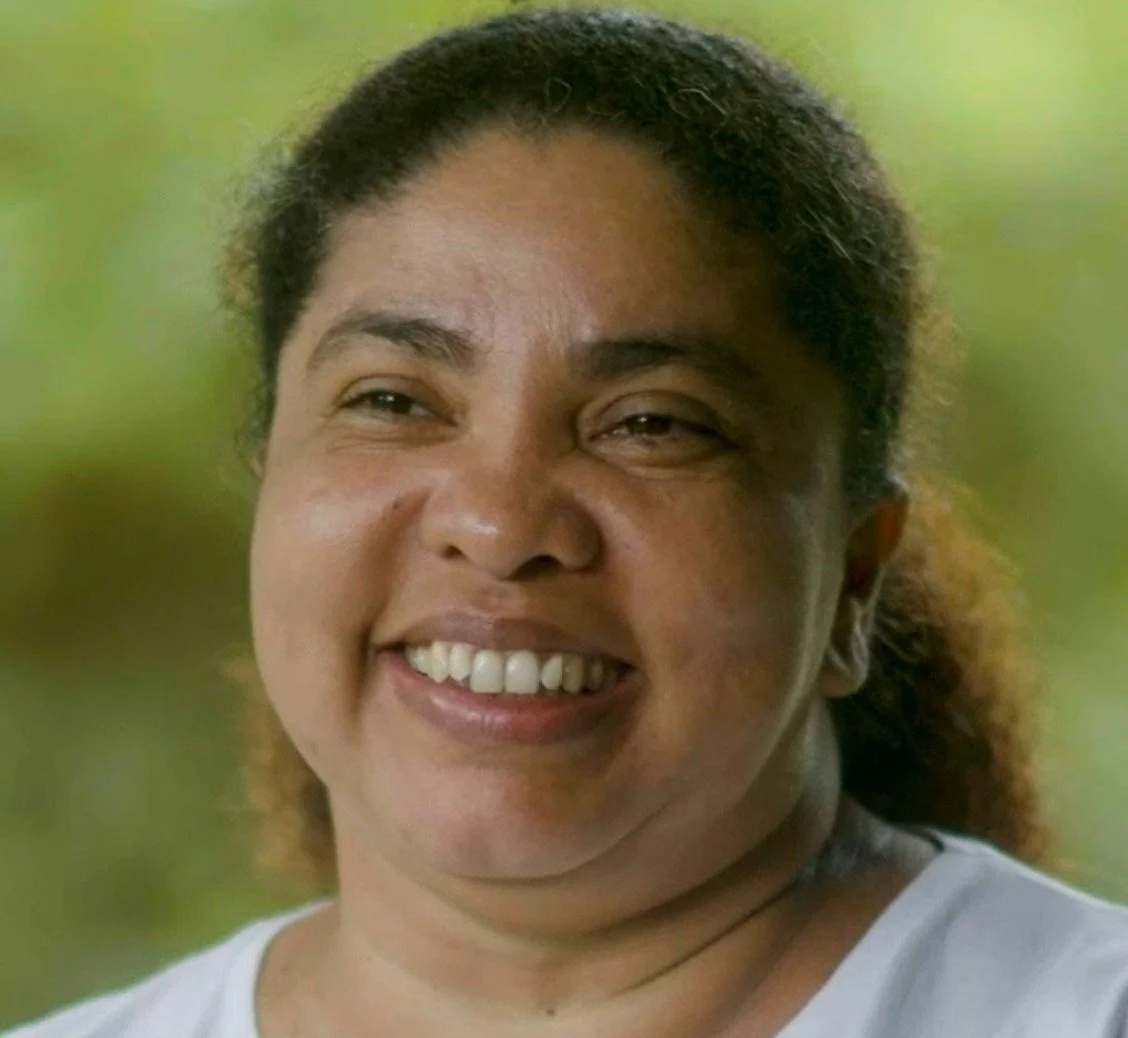
Cristiane de Paula Braga, Fisherwoman
“For me, water is life. Water is everything.”